
Climb stairs, walk again, return to sport — without knee pain.
Whether it's a sharp pain on the stairs, a stiff knee in the morning, or the long recovery after surgery — we'll find what's causing it and build a structured plan to get you moving again.
 WhatsApp for assessment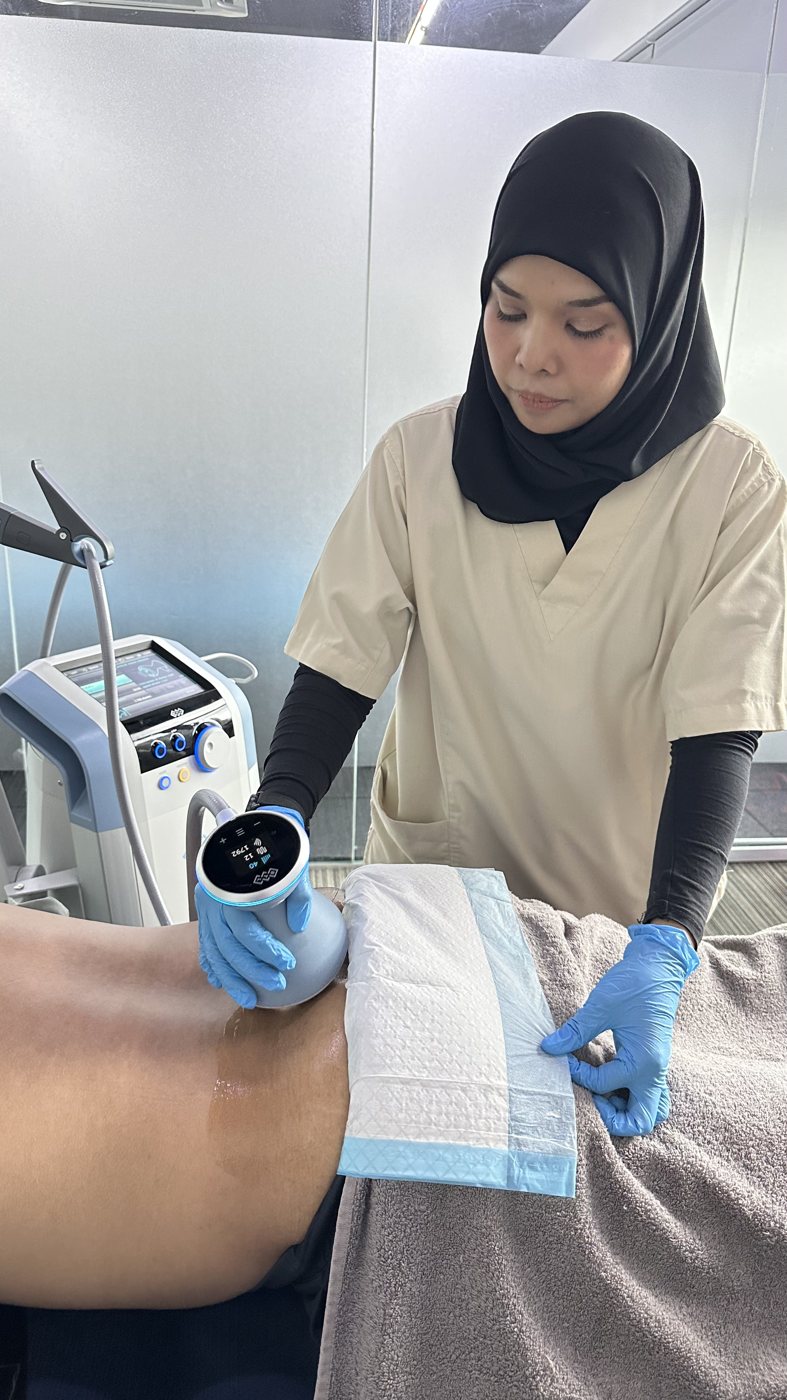
Common knee conditions we treat
Knee pain is the #1 reason adults visit our centre — and the good news is, most of it is highly treatable without surgery when caught early. We see and successfully treat:
How we treat knee pain
No two knees are the same. Your treatment combines hands-on therapy, evidence-based modalities and supervised exercises — adjusted every session based on how you're progressing.
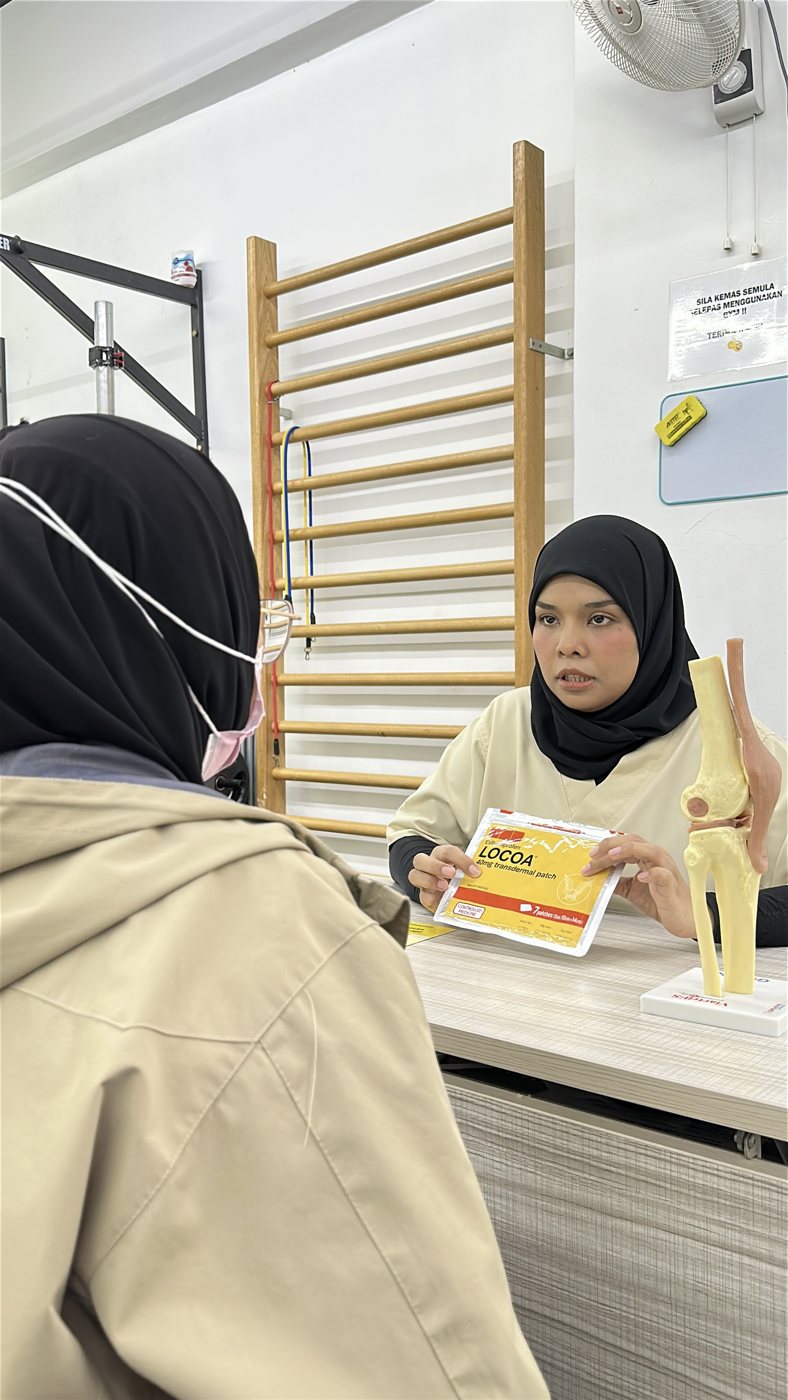
Diagnose, don't guess
Movement screening, palpation and orthopaedic special tests to pinpoint whether it's joint, ligament, tendon or muscle-driven.
Reduce pain & swelling
Manual therapy, focused shockwave (BTL), therapeutic ultrasound and ice/heat modalities to calm the tissue.
Restore movement
Joint mobilisation, soft-tissue release and graduated range-of-motion work to break the pain-stiffness cycle.
Rebuild strength
Progressive quad, glute and core strengthening so the knee is protected from re-injury — the part most centres skip.
Equipment matched to your diagnosis
Knee pain rarely responds to a single tool. We combine several, in the right order, for your specific case:
- BTL Focused Shockwave — Stimulates healing in chronic tendinopathy (patellar tendon, ITB)
- Therapeutic Ultrasound — Deep heating to reduce inflammation around the joint capsule
- Chattanooga Triton Traction — Decompresses the joint to reduce pressure on irritated structures
- Manual Joint Mobilisation — Restores tibiofemoral and patellofemoral joint glide
- Kinesio Taping — Offloads the patella and supports tracking during return to activity
- Supervised Strengthening — Quad sets, single-leg work, step-ups, hip strengthening — progressed weekly
About knee pain treatment
How long does it take to recover from knee pain?
Mild knee strains often improve in 4–6 sessions. Chronic osteoarthritis needs ongoing management; we usually recommend an initial 8–10 sessions then a review. Post-surgical cases (ACL, TKR) follow a structured 3–6 month protocol.
Do I need an MRI before starting physiotherapy?
No. Most knee pain can be diagnosed clinically through a thorough physical assessment. If your case suggests a structural problem requiring imaging, we'll refer you to a trusted radiologist or orthopaedic surgeon.
Can physiotherapy delay or avoid knee replacement surgery?
Often yes. For mild to moderate knee osteoarthritis, well-designed physiotherapy (strengthening + manual therapy + activity modification) is the first-line treatment recommended by NICE and OARSI guidelines, and can significantly delay the need for surgery.
Is shockwave therapy painful?
It's intense, not painful — most patients describe a strong tapping sensation. Sessions are 5–10 minutes, and many feel relief within 1–3 sessions for chronic tendon pain.
Can I run / play sport while in treatment?
We'll modify your activity, not stop it. Complete rest often makes things worse. We'll prescribe load levels that allow healing without losing fitness.
Stop guessing why your knee hurts.
Twelve years of practice, hundreds of knees treated. WhatsApp us today and we'll get you an assessment slot — usually within the week.
Helpful reads from our blog
5 Common Causes of Knee Pain
The five knee-pain causes we see most often — and how to spot yours.
Read article →ACL Surgery Recovery Timeline
A realistic 9-month rehabilitation roadmap after ACL reconstruction.
Read article →Your First Physio Session
A step-by-step walkthrough of what happens at your first visit.
Read article →